

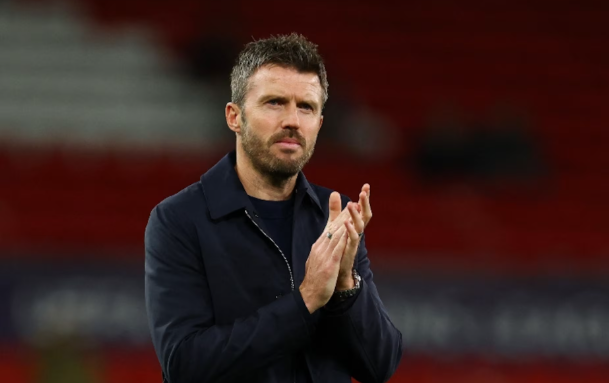
The new Premier League season has barely kicked off, yet Manchester United have slipped into an early-season crisis with two crushing setbacks. In the EFL Cup, United surrendered a lead and suffered a 2-3 comeback defeat to Brighton, crashing out in the first round in a shocking upset.Domestically, in the highly anticipated Manchester derby, the Red Devils failed to secure a win at home even against a 10-man Manchester City side, falling to another disappointing loss. These back-to-back defeats have plunged interim manager Michael Carrick into a severe managerial predicament.
Far from being mere tactical errors or poor in-game adjustments, the root cause of United’s recent collapse lies in the club’s underwhelming summer transfer campaign and severely inadequate squad reinforcement.
1. Double Disappointments Expose Squad Flaws: Lack of Depth Proves Fatal
The EFL Cup is traditionally a low-pressure tournament for Premier League sides to rotate squads and build match momentum. However, it turned into a humiliating collapse for United. The team’s second-string lineup looked disjointed and vulnerable throughout the fixture, with inconsistent defensive and offensive transitions, poor fitness levels, and a lack of mental resilience.
Unable to cope with Brighton’s intense pressing, United’s reserves squandered their advantage and exited the cup prematurely. Football pundits criticised United’s scrappy, unorganised display, stating that several fringe players failed to meet the basic standard of Premier League football.
The Manchester derby laid bare the club’s long-standing squad deficiencies even more vividly. Despite City being reduced to ten men for a large portion of the game, United dominated numerically but failed to create consistent threatening chances. Their attack looked sterile, while defensive frailties persisted throughout the clash. Most notably, crippled by a threadbare squad depth, United could not even utilise all five permitted substitutions and were forced to rely entirely on their starting XI.
Former captain Wayne Rooney expressed sympathy for Carrick after the game, pointing out that the bench offered no game-changing talents to alter the course of the match. These consecutive poor results are no coincidence — they are a direct reflection of United’s shallow squad and limited rotation options.
2. Half-Hearted Transfer Window: Key Positions Left Unaddressed
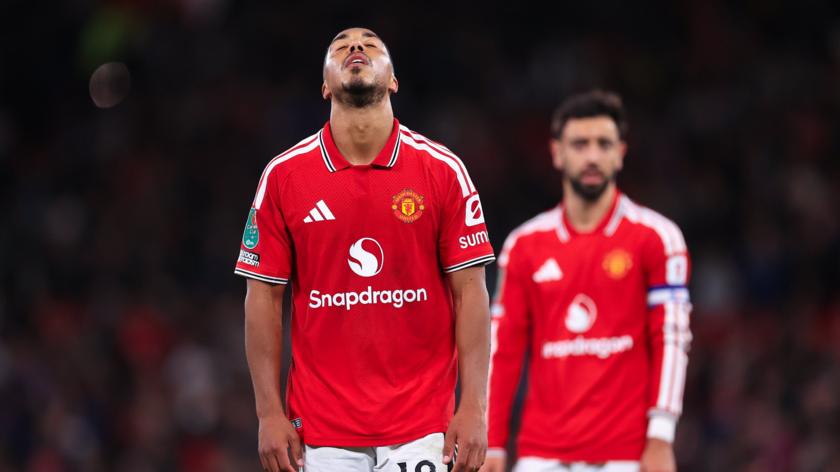
In stark contrast to Manchester City’s targeted and effective summer squad upgrades, Manchester United’s transfer operations have been sluggish, unfocused and largely ineffective. The club only signed a handful of low-profile players including Youri Tielemans and Santos, with one of the lowest net transfer spends across all Premier League teams. No world-class elite talents were brought in to lift the team’s ceiling, and most new signings only provided basic squad cover, failing to fix United’s long-standing structural weaknesses.
The club has long been aware of its squad vulnerabilities but repeatedly neglected crucial reinforcements. The left-back position has been a persistent problem for years, with Luke Shaw plagued by frequent injuries and inconsistent form. Nevertheless, the hierarchy refused to invest in a reliable replacement. With Shaw sidelined for the Manchester derby, United were forced to field an underperforming backup, whose shaky defending became City’s primary attacking target and a major factor in the defeat.
Although new midfield arrivals joined the squad, they lack tactical adaptability and struggle to cope with the demands of intense domestic cup and league fixtures, resulting in sluggish transition between defence and attack.
The forward line also suffers from a severe lack of dependable backup finishers — whenever starting strikers are off form, United’s entire attacking system grinds to a halt, with no reserve players capable of delivering consistent goals.
3. Limited Squad Restricts Tactical Flexibility: Carrick Left With No Options
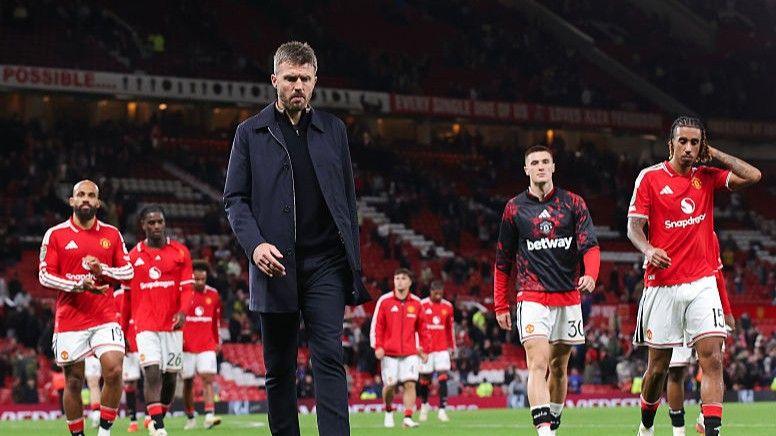
While Michael Carrick’s managerial tactics have always divided opinions, United’s recent poor run is largely a consequence of the club’s ineffective transfer strategy rather than individual coaching flaws. Every tactical plan and in-game adjustment relies on solid squad depth, yet United’s incomplete and thin roster has completely restricted Carrick’s tactical flexibility. Fearing underperforming reserve players would cost points in tight fixtures, Carrick dares not rotate his squad heavily during packed fixture schedules.
When facing top-tier opposition, the team has no impactful substitutes to turn the tide, leaving them forced into passive defence once falling behind.
Manchester United are now trapped in a vicious cycle: insufficient transfer investment leads to shallow squad depth, inadequate squad quality results in continual defeats, and poor match results further intensify scrutiny over Carrick’s managerial ability. Renowned football figure Paul Bart has claimed that Carrick may not survive until the winter transfer window, arguing that the club’s negligent defensive recruitment has already sealed his uncertain future.
Ultimately, United’s ongoing crisis stems directly from the management’s negligent transfer policy and long-term squad construction failures. Carrick’s current dilemma perfectly illustrates the plight of a competent tactician handicapped by an incomplete squad.
Without urgent reinforcements to fix key weaknesses and boost squad depth, United’s slump will continue, Carrick’s managerial journey will grow increasingly difficult, and the club’s prospects for the season will remain bleak.