

On August 31, 2026, 39-year-old Lionel Messi officially announced his retirement from the Argentina national football team. From his international debut in 2005 to lifting the Copa América trophy and the World Cup, Messi spent 21 years etching his name into the most glorious chapter of Argentine football. When the legend finally stepped away, the Albiceleste faced far more than the loss of one player. It confronted a triple reconstruction: of tactical systems, spiritual core and commercial value. Growing pains were inevitable, yet seeds of new life were sown within this farewell.
1. The Tactical Void: From “Give the Ball to Messi” to “Who Can Break the Deadlock?”
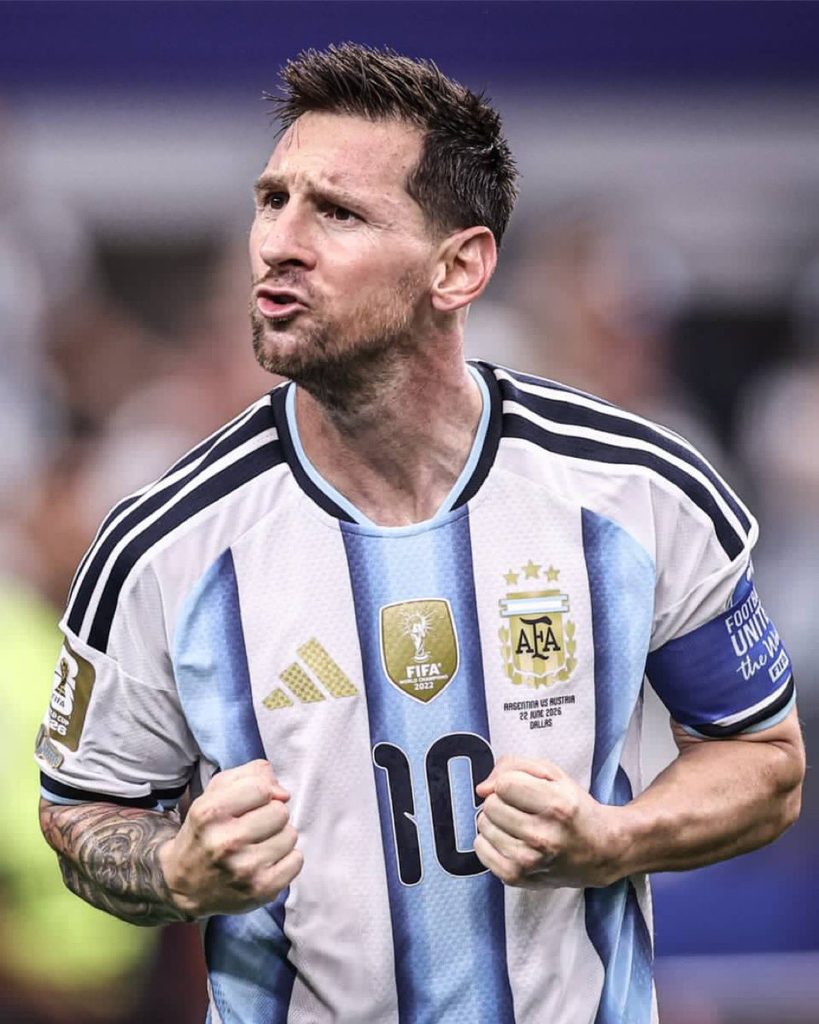
The most immediate impact of Messi’s departure lies in the attacking line. At the latest World Cup, Messi scored 8 goals and provided 4 assists, directly contributing to more than half of Argentina’s goals — a statistic that speaks volumes. The tactical system built under Scaloni was essentially a sophisticated machine revolving around Messi. Players like De Paul and Paredes took on the thankless defensive workload to preserve Messi’s energy. With his dribbling, vision and decisive final pass, Messi tore through opposing defenses in the most critical moments.
The flaw of this system was its extraordinary success, which came with over-reliance on a single individual. After Messi’s retirement, Argentina no longer possessed that one-man match-winner capable of carving through packed defenses. Enzo Fernández and Alexis Mac Allister boast solid playmaking ability; Lautaro Martínez and Julián Álvarez are reliable finishers, while Alejandro Garnacho delivers sharp wide threats. Still, combining all these strengths cannot recreate Messi.
Argentina must transition from a “superstar-driven” side to a “system-driven” team. Its attack will depend more on the coordination of the midfield duo, the runs of forwards and quick ball circulation across the pitch. This style is more modern and balanced, yet it carries an obvious cost. When games turn tight and opponents park the bus, the team loses its wildcard who can conjure chances out of thin air. The margin for error in high-stakes matches will shrink noticeably.
2. The Spiritual Void: Who Will Take Over the Locker Room?
More challenging than tactical gaps is the vacuum in leadership. For over a decade, Messi was not merely the number 10 on the pitch, but the anchor of the dressing room. Many members of this championship squad watched Messi suffer repeated final heartbreaks, only to rise again and finally claim world glory. Messi’s mere presence embodied a belief: as long as he was on the field, Argentina always had hope.
This mental strength cannot be measured by statistics. His composure when trailing in major tournaments, restraint amid on-field disputes, and ability to unite the squad during internal divisions forged the team’s resilient spirit through decades of perseverance. Now that he has retired, veteran figures such as Nicolás Otamendi have also stepped back. Argentina needs a new spiritual leader.
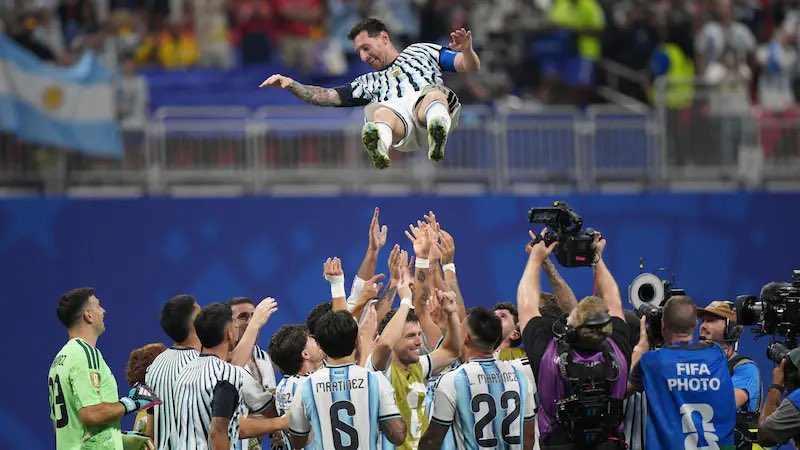
Enzo, Emiliano Martínez and Cristian Romero all have potential to take on greater influence, yet they lack the unquestioned authority forged by Messi’s countless top-tier battles. If the side suffers successive defeats in World Cup qualifiers or continental competitions, the young players’ mental toughness and team cohesion will face a real test. Argentina must step out of the comfort zone of “hope guaranteed by Messi” and learn to bear pressure without the GOAT covering for them. It is a necessary, yet painful, stage of growth.
3. The Commercial Void: Brand Rebuilding After Fading Spotlight
Messi’s retirement also delivered a heavy blow to the commercial value of Argentine football. He served as the national team’s biggest global draw. Invitations for friendly matches, overseas exhibition games and sponsorship partnerships largely rested on his personal appeal. Following his retirement announcement, multiple plans for international exhibition matches were put on hold. The team’s global exposure, match ticket revenue and bargaining power in commercial negotiations took an immediate hit.
The Argentine Football Association must face reality: the commercial dividends of the Messi era are rapidly fading. To rebuild brand appeal, it can only count on the team’s legacy as world champions and the rise of new-generation stars. This journey will be long. A new global icon requires the combination of consistent results, compelling narratives and time to mature.
4. New Possibilities Beyond Growing Pains
Messi’s exit does not mean Argentine football will plunge into decline. The squad retains the core group that reached the World Cup final. Enzo, Mac Allister, Álvarez and Romero are in their prime, and Argentina’s youth academy continues to produce talented players. In World Cup qualifiers where Messi was rested in recent years, Argentina secured several tough victories, proving this squad can compete independently.
In a sense, Messi’s retirement grants Scaloni an opportunity: to fully break free from superstar dependency and craft a team-first tactical system built entirely around the new generation. Without the default option of “give the ball to Messi”, coaching staff are forced to rethink tactics in depth, while every player must accept greater responsibility. This forced evolution, though arduous, may birth a more resilient and balanced Argentina.
Conclusion
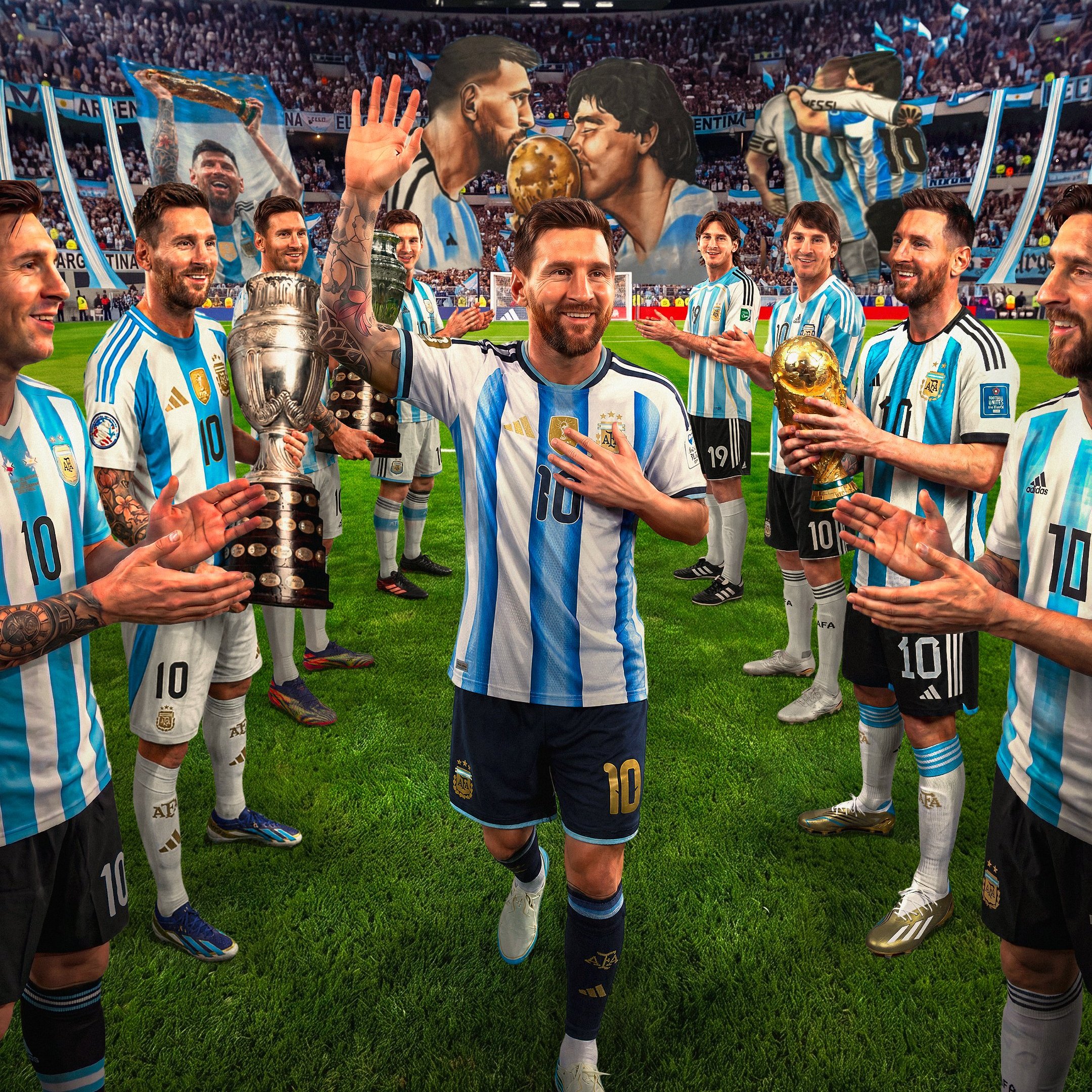
Messi’s farewell from international football marks the end of a magnificent era for Argentina. In the short term, the team will endure tactical teething issues, mental fluctuations and shrinking commercial returns, with a lowered ceiling in elite tournaments. In the long run, however, it is also a chance for Argentine football to renew its roster.
The Albiceleste can no longer wait for miracles created by one man. It must march forward united by collective strength. Messi’s story has reached its final page, while the chapter of post-Messi Argentina has only just begun. Beyond growing pains lies rebirth.