

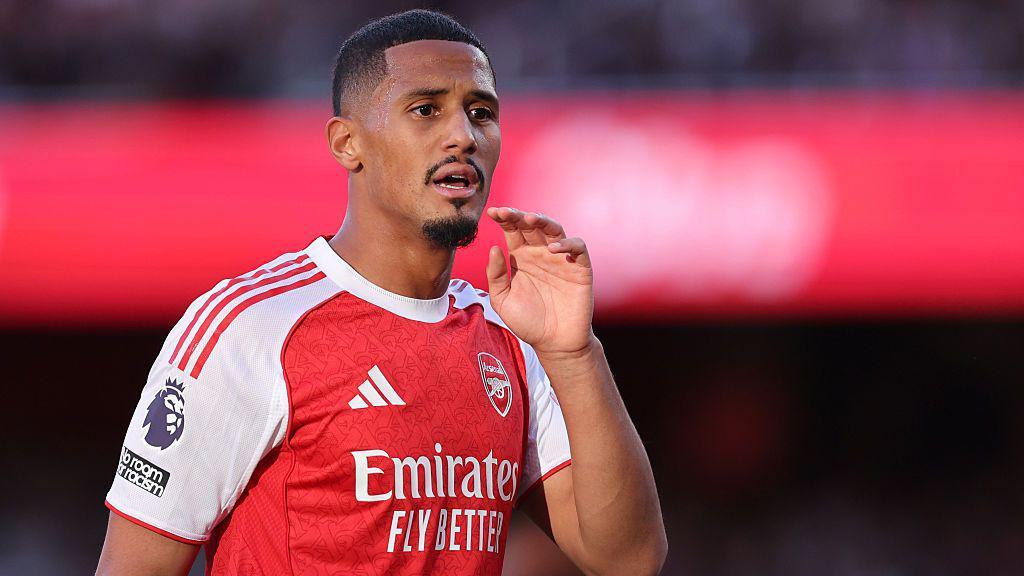
William Saliba’s prolonged absence through a back injury once sparked widespread concern among Arsenal fans. During the 2022-23 campaign, his injury layoff triggered a defensive collapse that derailed the club’s title challenge. However, Arsenal have defied all doubts with a resilient defensive display in the new season. They have registered multiple clean sheets, restricted opponents to minimal high-quality chances, and maintained an elite expected goals against record in the Premier League. Even without their defensive cornerstone, Arsenal’s backline has remained firm, thanks to improved squad depth, tactical fine-tuning, and a fully integrated team defensive structure.
As Arsenal’s undisputed defensive leader, Saliba’s influence extends far beyond basic interceptions and clearances. His elite one-on-one defending, blistering recovery pace, and polished ball-playing from the back form the bedrock of Mikel Arteta’s high-pressing system. Backed by Saliba’s defensive coverage, Arsenal have been bold enough to push their defensive line high up the pitch, squeeze opposition space, and establish an intense high-block structure. This overreliance created a critical flaw in previous seasons: Saliba’s absence exposed dangerous gaps behind the advanced defensive line, drastically undermining the team’s defensive stability and leading to costly collapses.
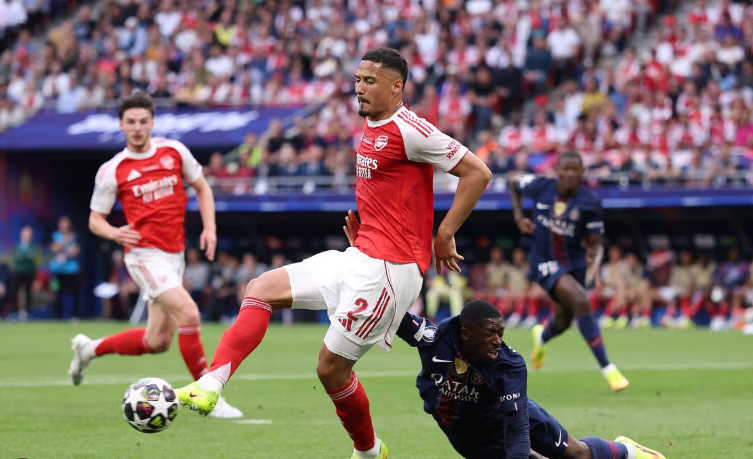
This term, Arsenal have finally broken free from the old pattern of relying on a single player to shore up their defence. Summer signing Jurriën Timber has seamlessly filled the long-standing void at right centre-back. Composed in positioning, robust in duels and precise in timing his tackles, he has forged a solid and well-balanced partnership with Gabriel Magalhães. Supported by reliable back-up options including Ben White and Jakub Kiwior, Arsenal’s defensive roster now boasts unprecedented depth, eliminating the squad shortage that plagued previous seasons and providing consistent defensive security.
Tactical adjustments from Arteta have proven pivotal to Arsenal’s defensive solidity. The team has abandoned its overly aggressive high press in favour of a more pragmatic, balanced defensive approach. Led by Declan Rice, the midfield unit has ramped up defensive contributions, regularly dropping back to bridge the gap between midfield and defence and cut off through balls aimed at exploiting space behind the backline. Arsenal’s pressing has become more calculated and selective. Rather than committing reckless challenges, the side prioritises shutting down key passing lanes around the penalty area, snuffing out threats in midfield and significantly reducing opposition threats inside the box.
Nevertheless, this makeshift defensive unit still has clear limitations. Compared to the side with Saliba in the lineup, Arsenal lack fluidity in build-up play and sharpness in recovery runs, leaving the flanks vulnerable to rapid counter-attacks from elite opponents. The impressive clean-sheet record comes at the cost of intense collective running and defensive discipline, meaning the long-term stability of this defensive setup remains untested amid the gruelling fixture congestion of a multi-front campaign.
Modern-day Arsenal have outgrown a star-reliant squad philosophy. While Saliba remains a world-class defensive talent, Arteta has successfully built a cohesive, all-round defensive system built on team unity and tactical discipline. Enhanced squad depth, flexible tactical adaptation and a collective defensive mindset have allowed the Gunners to withstand the loss of their key defender. It embodies the hallmark of a genuine title-contending side: sustained competitiveness stems not from individual brilliance, but from a mature, well-structured team system and overall squad strength.