

The Signing Rationale: Fixing Barcelona’s Core Forward Flaws
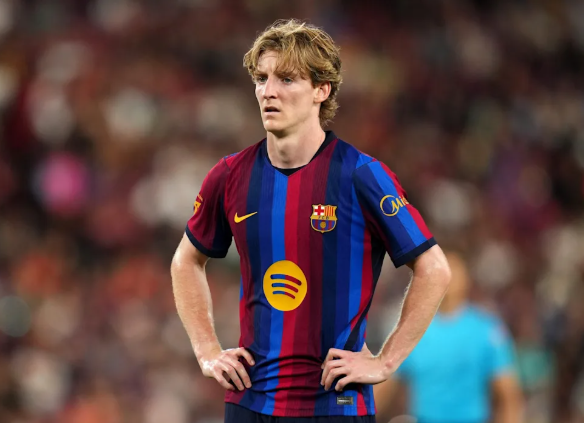
Barcelona have maintained a solid midfield structure and dominant league form in recent seasons. However, repeated knockout-stage exits in the UEFA Champions League stem from three major flaws: rigid forward tactics, inadequate high pressing intensity, and limited attacking solutions. Since taking charge, coach Hansi Flick has aimed to build a frontline defined by intense pressing, multi-positional coordination, and balanced attack and defence. Nevertheless, the squad has long suffered from wide players’ poor off-the-ball movement and low tactical adaptability. The summer signing of English forward Anthony Gordon is Barcelona’s targeted reinforcement to fix their Champions League shortcomings, with many regarding him as a crucial addition to the club’s title challenge.
Gordon’s Tactical Fit: Filling the Void in the Attacking System
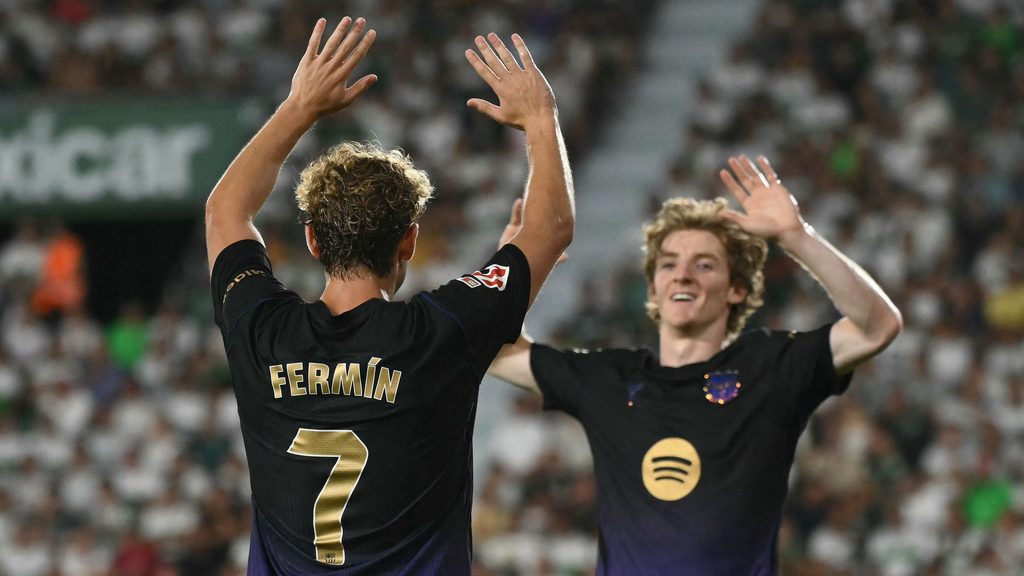
Unlike Raphinha, who relies heavily on ball possession, and the inexperienced Lamine Yamal, Gordon is a top-tier forward excelling in off-the-ball running and defensive pressing. Boasting extensive defensive coverage and high tackling initiative in the final third, he perfectly adapts to Flick’s high-block pressing system. He effectively improves Barcelona’s frontline pressing efficiency, helping the team regain possession near the opponent’s penalty area and convert turnovers into scoring chances, making up for the team’s historical lack of aggressive frontline pressure.
Primarily deployed as a left winger, Gordon can also flexibly operate as a centre-forward, bringing exceptional tactical flexibility. Having scored 10 Champions League goals last season, he possesses proven European elite tournament experience, specializing in finishing and counter-attacking in tight spaces. His arrival has helped Barcelona break free from over-reliance on Robert Lewandowski’s single-point finishing. The diversified attacking model featuring wide penetration and central poaching has significantly lifted the team’s ceiling in high-stakes Champions League knockout games.
Not the Final Piece: Persistent Deficiencies in Barcelona’s Squad
Despite Gordon’s significant reinforcing value, he is far from the final piece of Barcelona’s Champions League title puzzle. First, as a wide-forward specialist, he cannot cover the club’s lack of a orthodox number nine. With the aging Lewandowski gradually declining in form, Barcelona still lack a reliable central focal point and consistent penalty-box finisher. Second, Gordon’s performance is highly dependent on teammates’ support. He largely relies on Yamal’s wide-area distraction, and his attacking efficiency will drop sharply if key players suffer injuries or suspensions.
Furthermore, Barcelona’s long-standing issues with poor mental resilience in Champions League knockouts and unstable defensive performance on the flanks remain unresolved. While Gordon upgrades the team’s frontline vitality and tactical diversity, he cannot compensate for the squad’s insufficient depth and fragility in decisive matches.
A Vital Reinforcement, Not the Decisive Piece
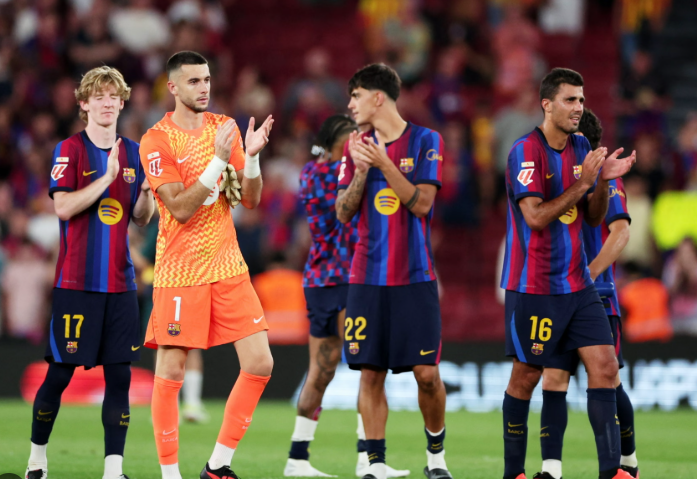
As a high-quality signing perfectly suited to Barcelona’s current tactics and the high intensity of Champions League football, Gordon effectively remedies the team’s weaknesses in frontline pressing and tactical monotony, greatly boosting their European competitiveness. However, to secure the ultimate Champions League trophy, Barcelona still need to strengthen their centre-forward rotation, stabilize flank defence, and enrich squad depth. In short, Gordon acts as a vital contributor to Barcelona’s title bid, rather than the final piece of the puzzle.