

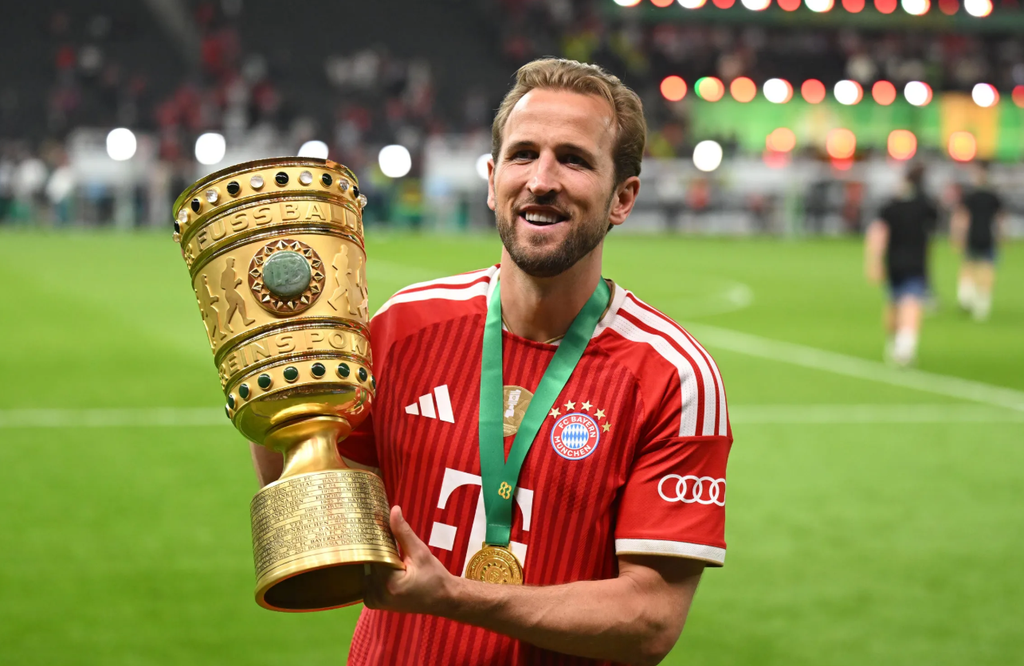
Harry Kane has delivered the finest season of his career. He claimed the domestic treble with Bayern Munich: the Bundesliga, DFB-Pokal and DFL-Supercup. His personal goal-scoring numbers reached historic heights, while he captained England to a World Cup semi-final. Yet in both flagship continental competitions, he fell short of the final. On one hand, there are sensational goal returns; on the other, no Champions League or World Cup title to his name. Under the current Ballon d’Or framework, which prioritises individual performances, is Kane a lock for football’s most prestigious individual award? This has become one of the biggest debates in world football.
1. Historic Goal Output: Kane’s Strongest Case for the Ballon d’Or
Kane’s remarkable statistics form the core of his Ballon d’Or bid. At club level, he made 51 appearances for Bayern, scoring 61 goals and providing seven assists. In the Bundesliga, he netted 36 times in 31 matches, winning both the Bundesliga Golden Boot and European Golden Shoe. He scored 10 goals across six DFB-Pokal games, including a hat-trick in the final that secured the cup. In the Champions League, he registered 14 goals in 13 matches to claim the competition’s Silver Boot, setting a new record for an English player in a single Champions League campaign. Adding his international goals, Kane scored 73 goals throughout the award eligibility window, a tally only behind Messi’s 82 goals in the 2011–12 season, placing him among the greatest single-season goal scorers in football history.
These goals are not empty statistics. Many arrived in high-stakes knockout fixtures. His hat-trick in the German Cup final, crucial strikes against Real Madrid in the Champions League knockout phase, and six World Cup goals as England captain guided the Three Lions to a third-place finish and made him England’s all-time top World Cup goalscorer. Under the updated Ballon d’Or rules, individual impact and decisive performances rank first, with team honours secondary. Purely in terms of personal output, Kane sits firmly within the leading group of contenders, which is why many journalists and former players back his candidacy.
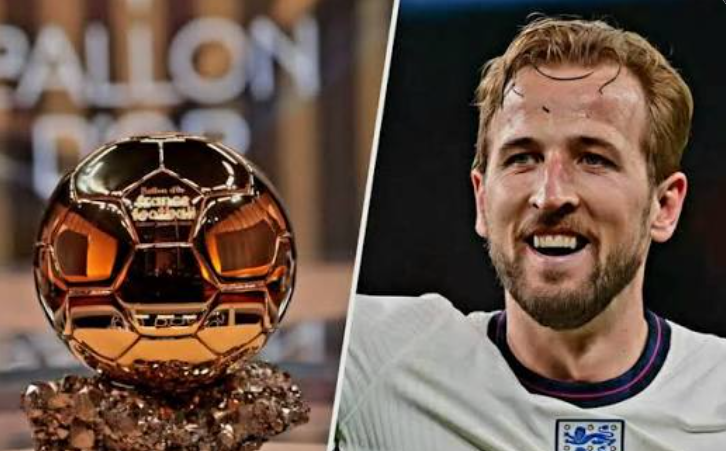
2. The Major Honour Gap: Semi-Final Heartbreaks in Champions League and World Cup
Kane’s biggest weakness is the absence of the sport’s most coveted continental trophies. At club level, Bayern completed a clean sweep of Germany’s domestic competitions, but their European run ended in the Champions League semi-finals. Internationally, Kane captained England to the World Cup semi-finals and a bronze medal, yet he never stepped onto the final stage to compete for the World Cup. While a domestic treble carries considerable weight, in Ballon d’Or voting discourse, Bundesliga and German Cup triumphs are regarded as regional honours. The Champions League and World Cup titles hold vastly greater prestige.
Ballon d’Or history shows most winners have lifted either the Champions League or World Cup. Among rival contenders, Lamine Yamal boasts a World Cup trophy alongside a La Liga title, creating a stronger championship resume. Even with rules favouring individual brilliance, voters cannot fully overlook the gravitas of major international and European club silverware. Kane consistently scored across every tournament, but he failed to cross the final hurdle in the two most important competitions. This “so close yet so far” narrative will weigh heavily on many voting journalists.
3. Ballon d’Or Voting Logic: A Clash Between Stat Advocates and Trophy Supporters
Revised Ballon d’Or criteria prioritise individual performances first, followed by team achievements and sportsmanship. This structure opens the door for Kane’s candidacy, yet it does not guarantee victory. Two distinct schools of thought will shape the final ballot.
Voters who value raw individual numbers argue the Ballon d’Or is an individual prize. Kane’s 73-goal haul, decisive contributions in cup finals and knockout games are enough to offset the lack of Champions League and World Cup titles. No longer the “king without a crown” from his Tottenham days, he has proven he can lead a side to major trophies, backed by elite on-pitch dominance.
Meanwhile, voters who prioritise silverware maintain elite individual form must be backed by landmark tournament victories. In a World Cup year, the World Cup winner starts with a massive advantage. Kane’s semi-final exits in both flagship tournaments mean he lacks one definitive trophy to outshine all competitors. No matter how many goals he scores, the absence of appearances in the biggest finals will be the primary argument used by his rivals.
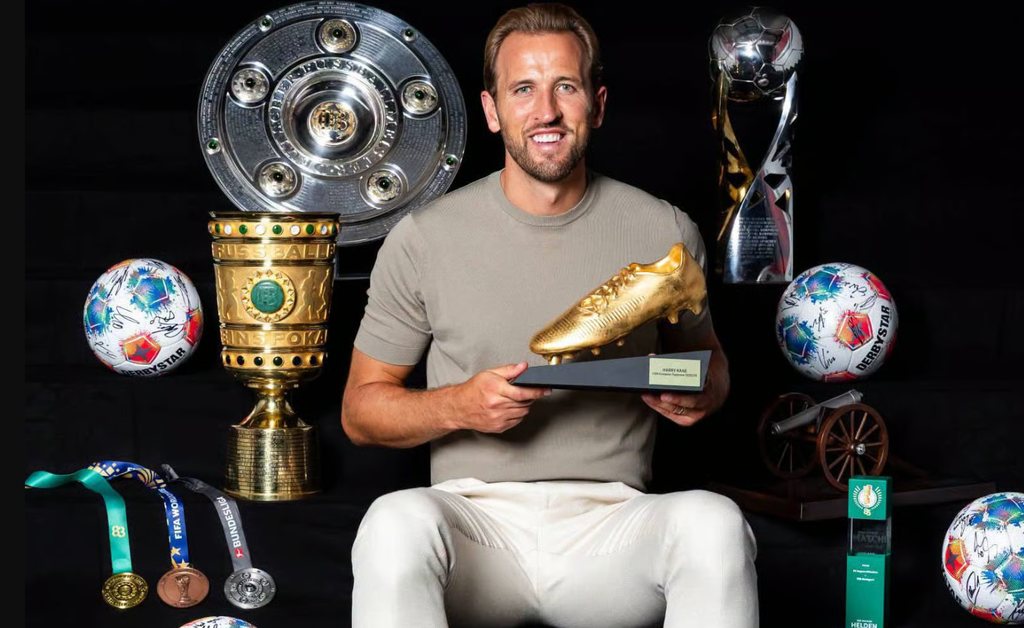
4. Kane Is a Top Contender, But Far From a Sure Winner
All things considered, Harry Kane stands among the leading favourites for the Ballon d’Or, but he is by no means guaranteed to win. His strengths lie in historic goal-scoring form, match-winning performances in key fixtures and a domestic treble that satisfies the first pillar of Ballon d’Or evaluation. His critical flaw remains the failure to reach the final of the Champions League and World Cup.
The final result hinges on how global voting journalists balance the different criteria. If voters lean towards individual season dominance, Kane’s chances rise significantly. If most judges continue to value World Cup and Champions League titles as decisive credentials, Kane will fall behind his rivals. Kane has produced a Ballon d’Or-calibre season, yet he does not possess the trump card required to seal the award outright. He finds himself at the centre of the Ballon d’Or race, missing that one decisive trophy to lock down the prize.